
For a delivery or logistics business, a motorcycle isn’t an object: it’s a cost per kilometre. Here are the five lines that move when the fleet goes electric.
1. Fuel disappears, and volatility with it
Fuel is usually a fleet’s largest cost line and the hardest to budget: its price changes without asking you. An electric motorcycle uses 50 to 70 % less energy to cover the same distance, and that spend is stable month to month. You move from a cost you absorb to a cost you plan.
2. Maintenance drops by around 40 %
No oil changes, no air filters, no spark plugs, no chain adjustment. Fewer moving parts means fewer interventions and less time off the road. Across a fleet, the reduction reaches up to 40 % versus an equivalent petrol fleet.
3. Downtime is measured in minutes, not hours
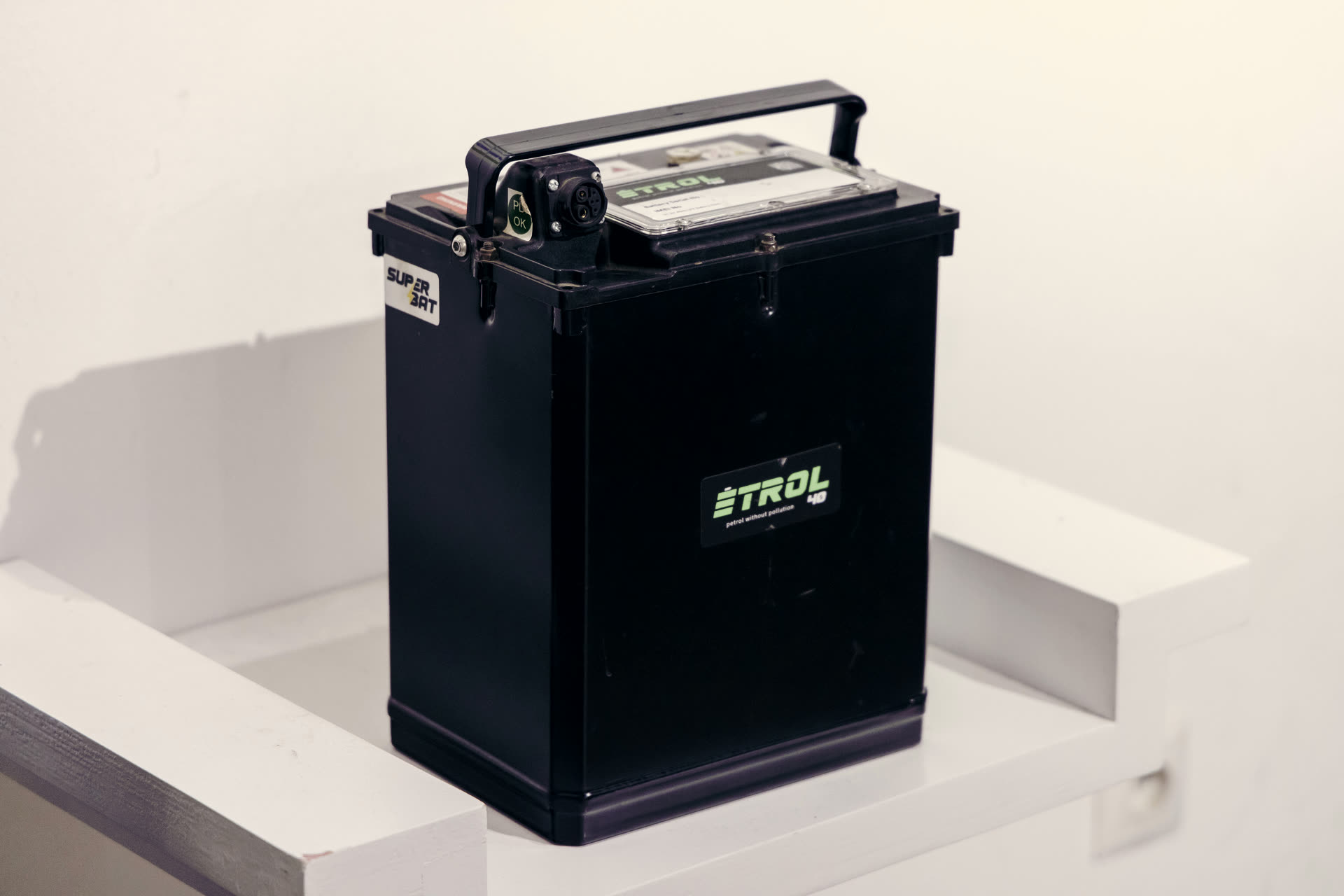
This is the point comparison tables leave out. A full charge takes hours; a battery swap at a station takes under two minutes. A bike that leaves immediately is one more job in the day — and a cost per delivery that falls on its own.
Add the instant torque of an electric motor, which matters more than top speed on short, stop-start urban runs.
4. Financing stops blocking cash flow
The obstacle is never the running cost — it’s the upfront investment. Mobelec works with microfinance institutions, leasing companies and banks to offer:
- lease-to-own, to build the fleet progressively;
- long-term rental, to run electric without tying up capital;
- access to existing grant programmes.
5. What your clients see
An electric fleet means zero tailpipe emissions and far less noise in a dense neighbourhood. For a client with its own environmental commitments, that’s a selection criterion. It’s also useful preparation if restrictions on petrol vehicles reach urban zones.
Where to start
Not with the whole fleet. Take five bikes for a month and compare the readouts: distance covered, energy consumed, jobs completed, technical interventions. The numbers decide by themselves.
Message us on WhatsApp with your real distances: we build the quote, the financing plan and the switchover schedule from your data, not from averages.