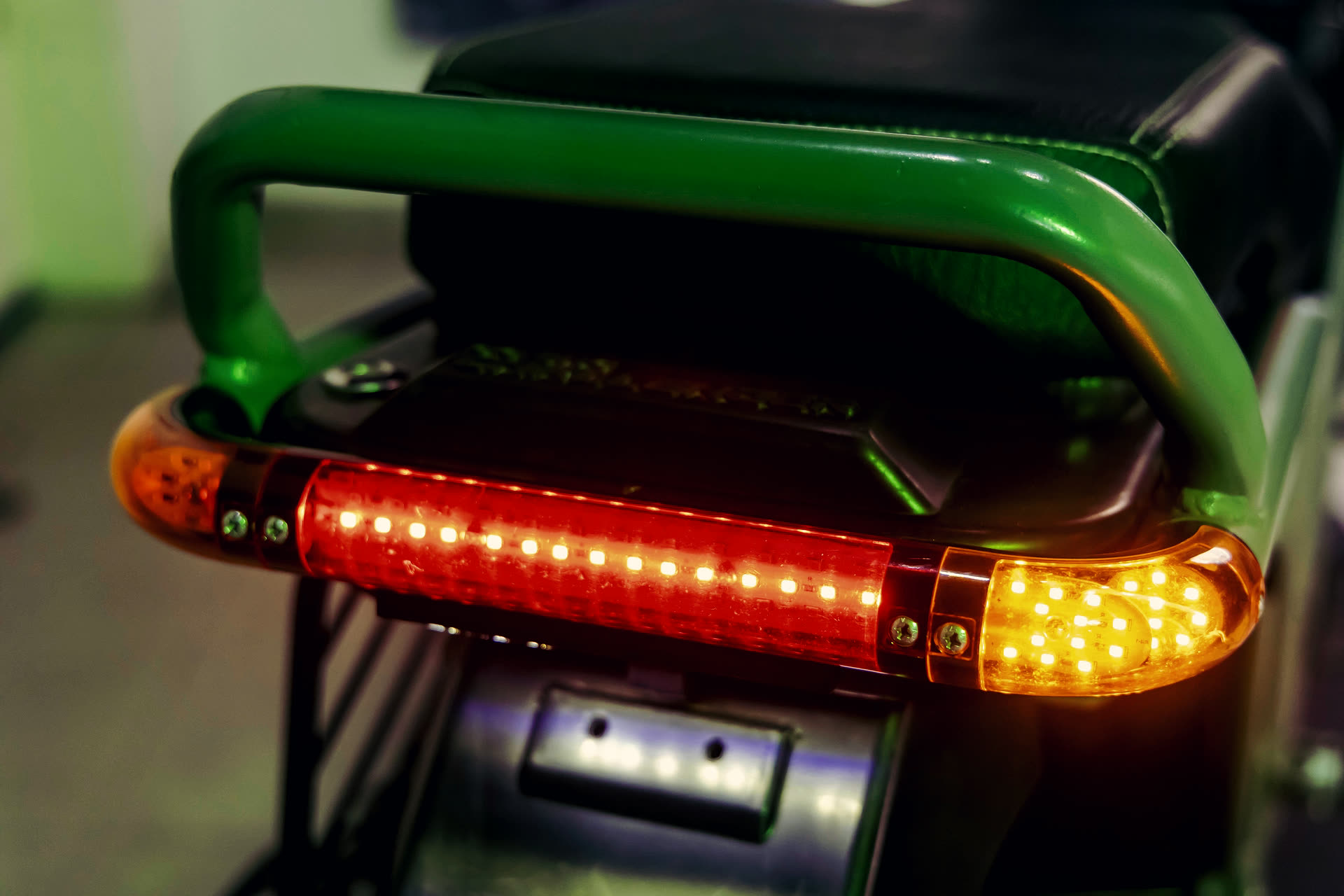
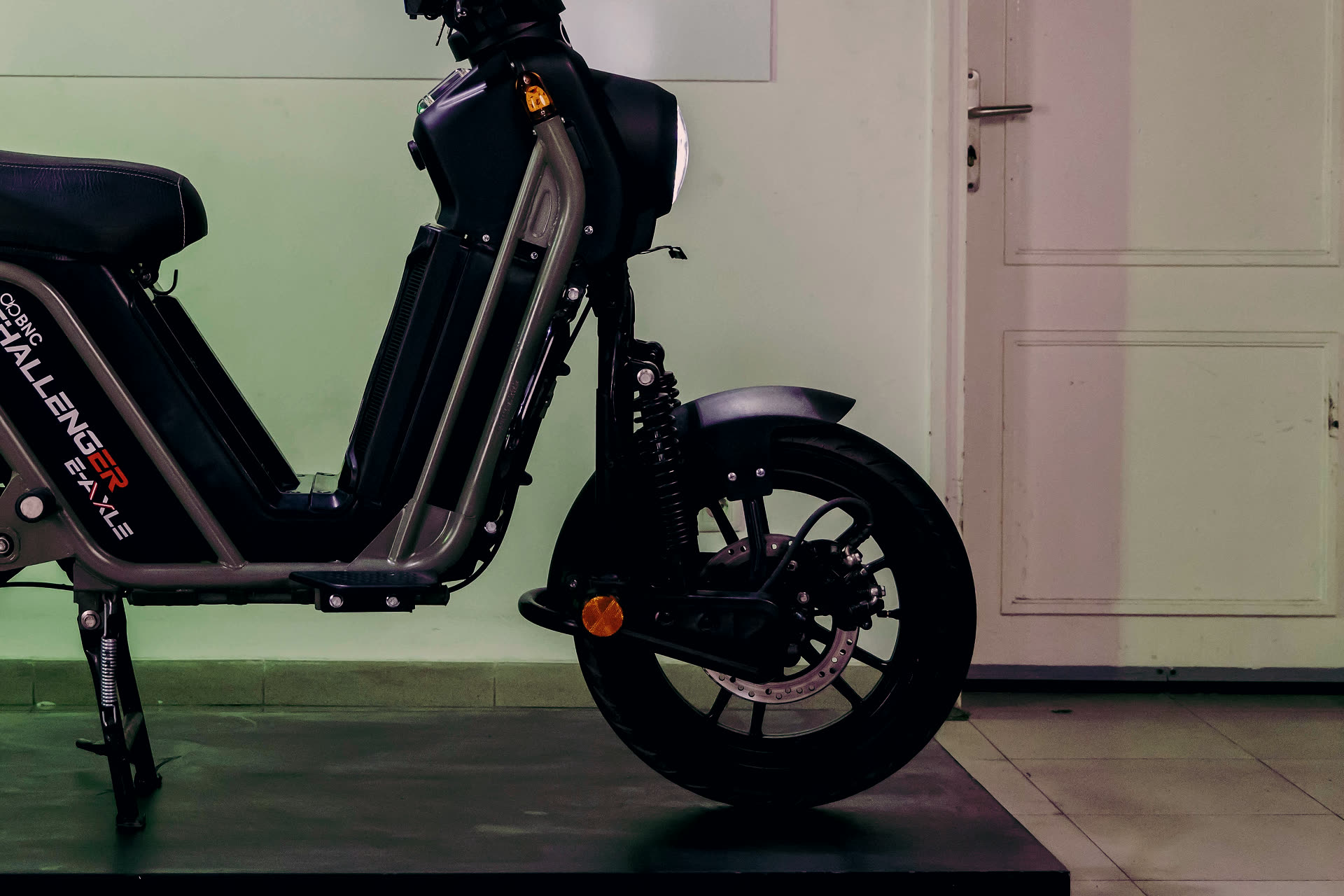
When people compare an electric motorcycle to a petrol one, they almost always compare the wrong line: the purchase price. It’s the only one you see on the day of the sale, and it’s the least important of the three. The other two — energy and maintenance — get paid every month, for years.
Energy: 50–70 % less per kilometre
A petrol bike burns fuel whose price moves without warning. An electric bike draws electricity, and the gap is clear: 50 to 70 % cheaper per kilometre.
For occasional riding, the difference barely registers. For anyone riding all day — a courier, a delivery rider, a fleet — it compounds fast. It’s usually the line that pays back the switch first.
Maintenance: up to 40 % less
An electric motorcycle has far fewer moving parts. What leaves the bill:
- oil changes;
- air filters;
- spark plugs;
- most of the chain and transmission servicing.
What stays on the list: the battery and the tyres. Looked after, both last a long time. Overall, maintenance drops by up to 40 %.
Over the vehicle’s life: up to 30 % less
Add up the energy saved, the maintenance avoided and any available incentives, and an electric motorcycle costs up to 30 % less to run across its lifetime. And as the market shifts to electric, resale values hold.
What doesn’t show up in a spreadsheet
Zero tailpipe emissions, and much less noise in a dense neighbourhood. For a business, that’s a sales argument. For a rider, it’s simply a less exhausting day.
Conclusion
A petrol bike costs less on the day you buy it. An electric one costs less on every other day. If you ride for a living, the gap closes in months.
The fastest way to decide is to ride one: come to the showroom on Rue Félix Éboué and do the maths with your own distances.